|
Forwarded this email? Sign up for free to have it sent directly to your inbox.
|
|
|
Good morning,
Today, we’re looking at Minnesota’s Somali fraud rings, presidential authority to withhold funds, the case against a 50-year mortgage, and the Trump administration’s homelessness policy shift.
Don’t forget to write to us at editors@city-journal.org with questions or comments.
|
|
|
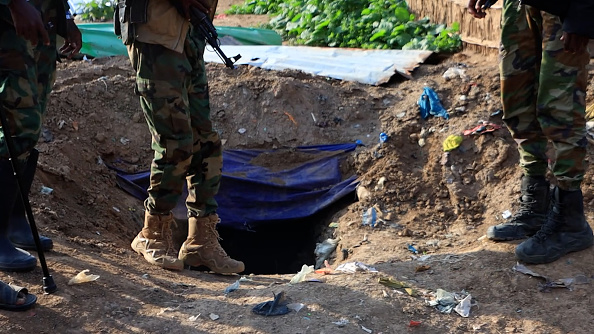
That’s what a source told Ryan Thorpe and Christopher Rufo. Al-Shabaab, of course, is a Somalia-based terror group. Welfare fraud in Minnesota is widespread, and millions of dollars of stolen funds have been sent back to Somalia, where they wind up in the group’s hands.
Minnesota’s Medicaid Housing Stabilization Services (HSS) program offers just one example of how rampant welfare fraud is in the state. Launched in 2020 with an estimated annual cost of $2.6 million, HSS was intended to help seniors, the disabled, and the mentally ill find housing. But costs quickly spiraled out of control. The following year, the program paid out more than $21 million in claims, and during the first six months of 2025, payouts already totaled $61 million.
On August 1, the state moved to scrap the program, and in September, then-acting U.S. Attorney for the District of Minnesota Joe Thompson announced criminal indictments against eight individuals, six of whom were members of the Somali community.
“According to multiple law-enforcement sources,” Thorpe and Rufo write, “Minnesota’s Somali community has sent untold millions through a network of ‘hawalas,’ informal clan-based money-traders, that have wound up in the coffers of Al-Shabaab.”
Read about the fraud rings and more from their investigation here.
|
|
|
Congress holds the power of the purse, but does that mean that presidents have to spend all the money legislators appropriate? The question has become a contentious one in Washington, D.C., with President Trump’s critics arguing that he does, and the Trump administration pointing to precedent and Supreme Court rulings saying otherwise.
At stake are billions of dollars of funds annually that Congress has appropriated but, for one reason or another, the executive does not spend. According to one estimate, nearly $25 billion, or about 1.5 percent of the discretionary budget, is returned to the Treasury yearly.
In his essay from the Autumn 2025 issue of City Journal, Judge Glock argues that presidents retain “the discretion to decide when certain appropriations are not needed”—and that this is something all advocates of good government should celebrate.
|
|
|
The Trump administration’s recently announced plan for a 50-year mortgage may sound like an elegant solution to the nation’s high housing costs, but it won’t address the deeper structural issue driving them: a lack of homes.
“A 50-year mortgage is a demand-side response to a supply-side problem, boosting purchasing power without adding to the number of available homes,” Brad Hargreaves writes. “What looks like an affordability policy quickly becomes a price-support mechanism for existing homeowners and lenders.”
Read his take.
|
|
|
Signaling a change in federal policy, the Trump administration recently revised the criteria it uses for homelessness organizations seeking funding from the Department of Housing and Urban Development. “For more than a decade, HUD had supported ‘Housing First,’ an approach that calls for permanent rental subsidies without behavioral expectations,” Stephen Eide explains. “Now, the agency will favor transitional work- and sobriety-oriented homelessness programs, in keeping with the administration’s July executive order.”
Read more about why this is an important shift and what it means for those in need of housing.
|
|
|
|
|
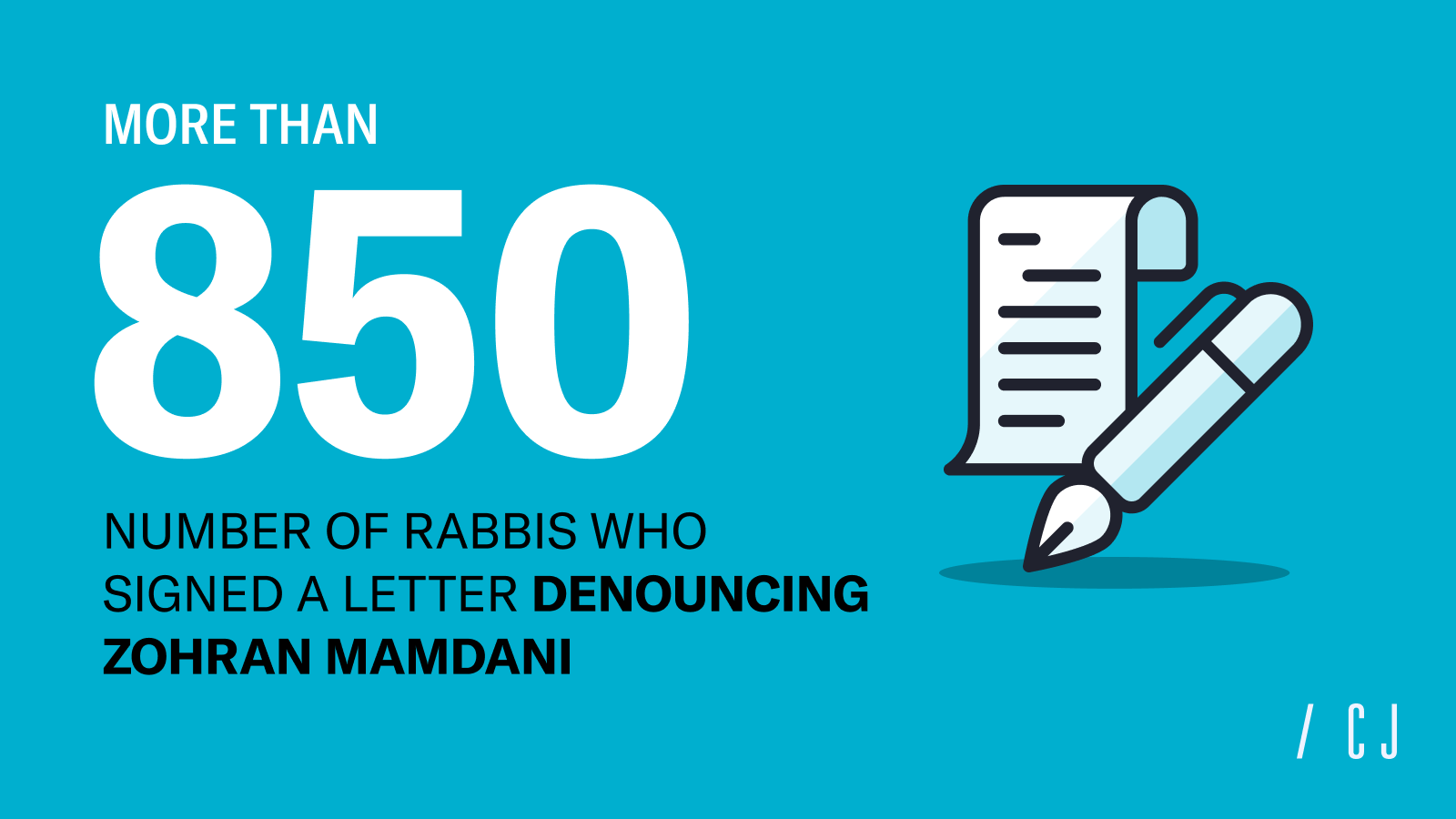
Rafael Mangual, Renu Mukherjee, and Santiago Vidal Calvo discuss New York City’s mayoral election and the demographic groups that propelled Mamdani to victory. They also examine the changing electorate and what the results could mean for progressive policies in other cities.
|
|
|
“I have no use for Fuentes, and little for Tucker . . . but the fact that the Right has devolved into an ugly family squabble over the question of who to disinvite, even as the Left actively embraces and even elevates its most radical and fringe elements, highlights a much larger issue: Why is only one half of our political system bound to such standards of decency and respectability?”
|
|
|
Photo credit: Anadolu / Contributor / Anadolu via Getty Images
|
|
|
A quarterly magazine of urban affairs, published by the Manhattan Institute, edited by Brian C. Anderson.
|
|
|
Copyright © 2025 Manhattan Institute, All rights reserved.
|
|
|
|