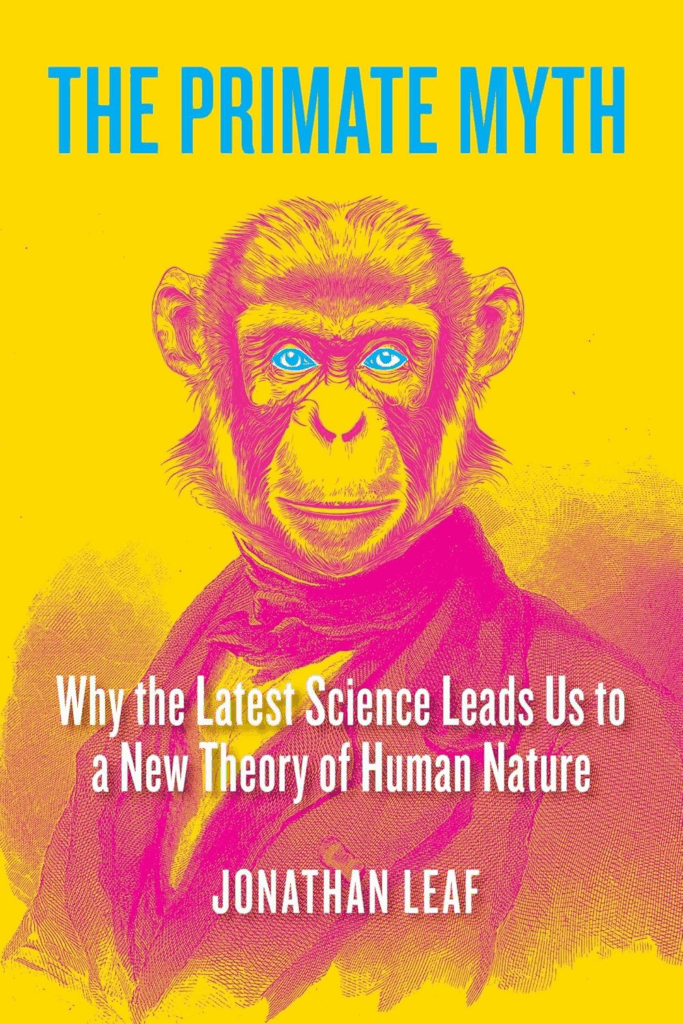
The Primate Myth: Why the Latest Science Leads Us to a New Theory of Human Nature, by Jonathan Leaf (Bombardier Books): For over a century, scientists have been aping mankind’s connection to the monkey while ridiculing those who think otherwise. The Scopes trial of 1925, sensationalized by H. L. Mencken and immortalized by the play Inherit the Wind, was the final blow for those doubters of Darwinism. The Primate Myth, a new book by Jonathan Leaf, looks at recent studies that bring into question the long-accepted doctrines of human evolution and our supposedly close connection to primates. By considering our socialization, our daily patterns, and our pastimes, this revelatory book explores the latest science of human development and argues for a better understanding of mankind’s unique place in the world. —JP
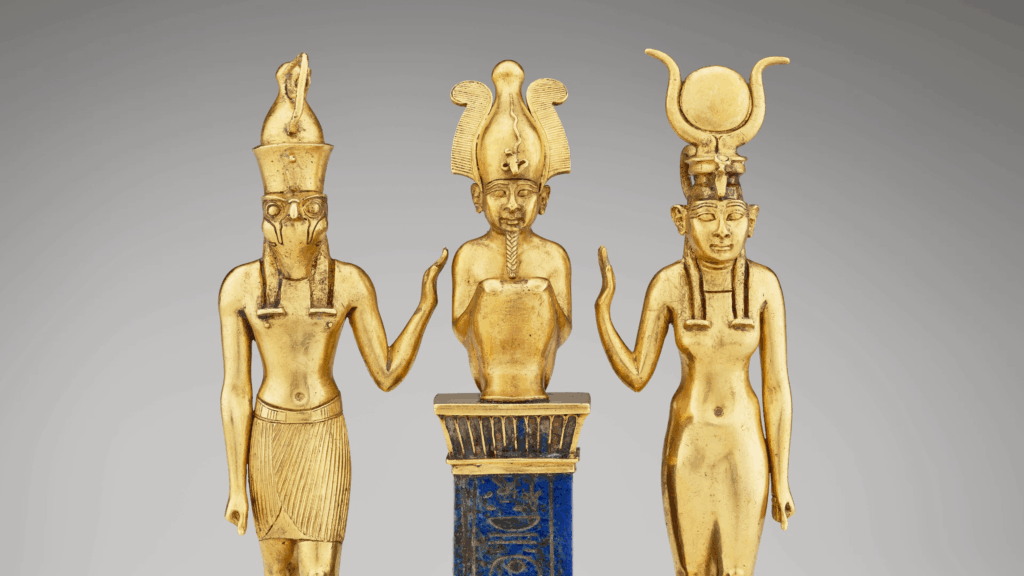
Triad of Osiris, Horus, and Isis, 872–837 B.C., Gold inlaid with lapis lazuli, Louvre Museum. On view in “Divine Egypt,” at the Metropolitan Museum of Art.
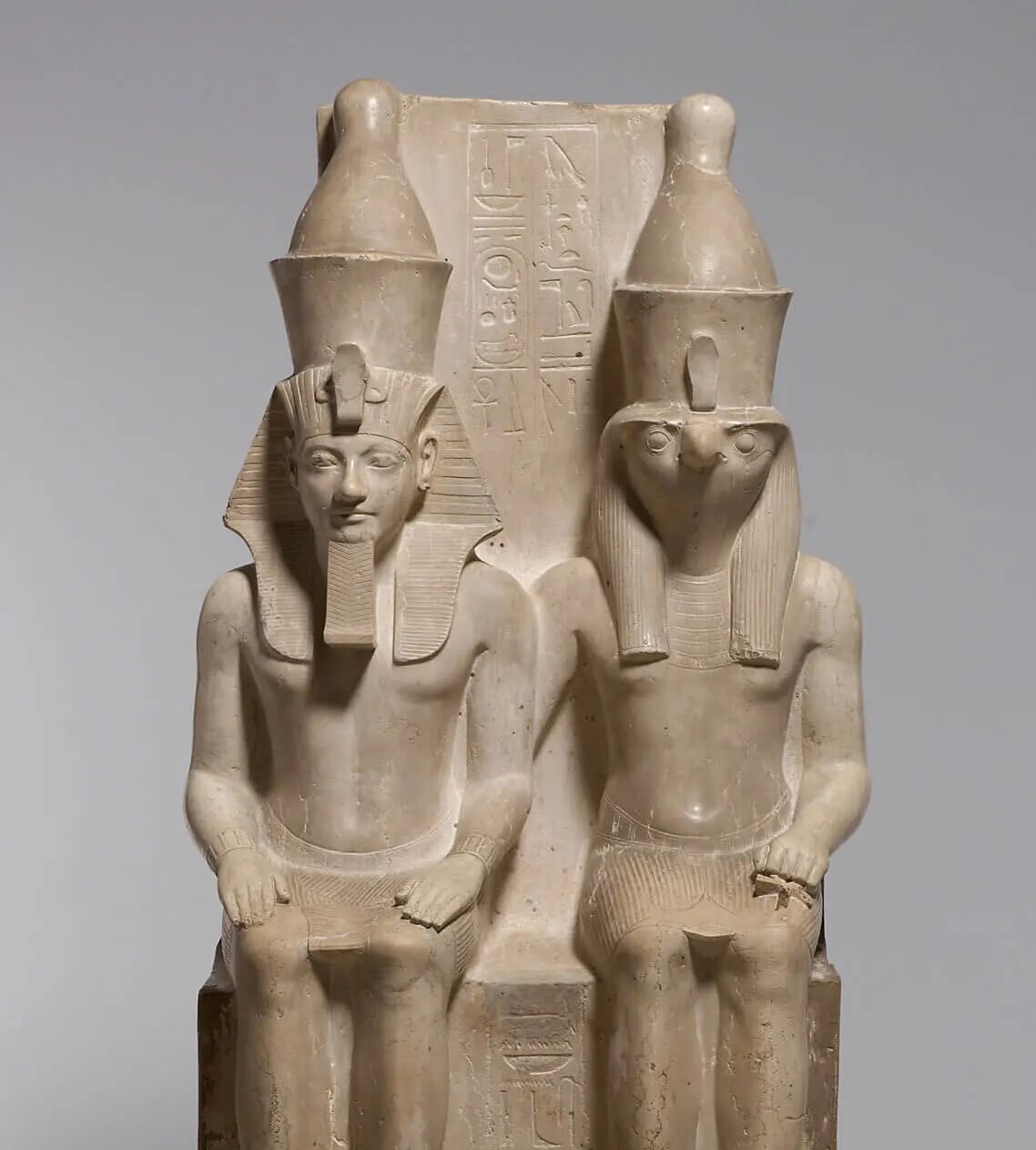
“Divine Egypt,” at the Metropolitan Museum of Art (through January 19, 2026): The enduring allure of ancient Egypt in the Western imagination from Herodotus onwards is inextricably linked to the Egyptian pantheon. Egyptian religion is the subject of the Met’s “Divine Egypt,” which focuses on how twenty-five of the most prominent Egyptian deities were conceptualized and represented, from the pharaonic falcon-headed Horus to the fierce lion-headed Sekhmet. The Egyptians believed that their gods’ bodies were made of gold, so fans of goldwork will not be disappointed. But the show also features humbler objects of personal devotion that explore the role the gods played in the lives of regular people, who, unlike the pharoah and the priests, did not have access to grand temples and the rituals conducted within. —AG
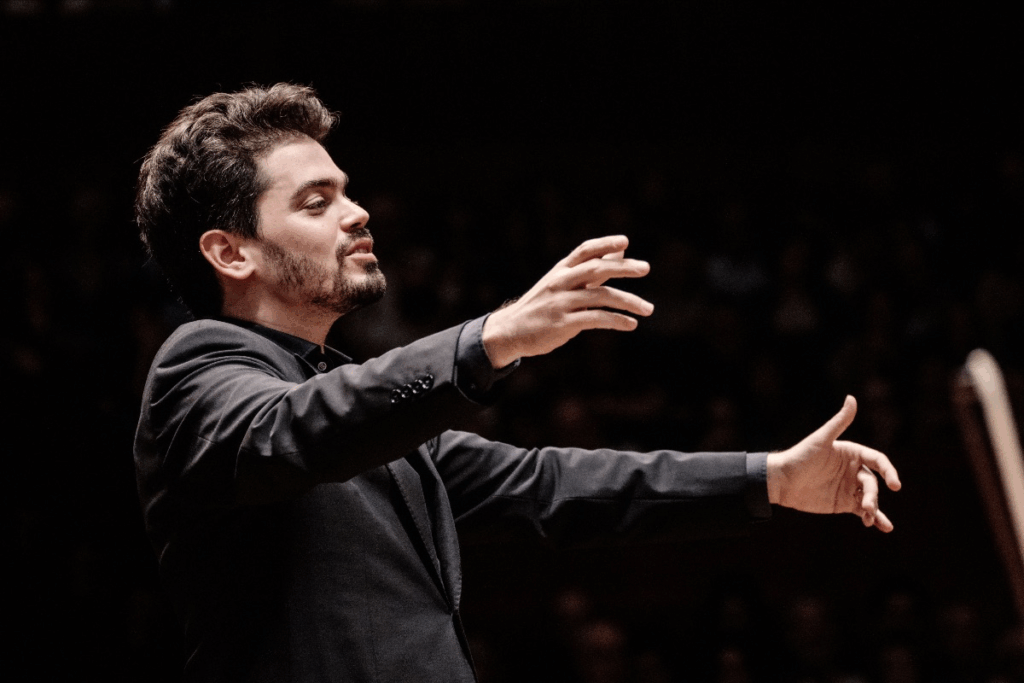
The conductor Lahav Shani. Photo: Marco Borggreve.
Israel Philharmonic Orchestra, at Carnegie Hall (October 18): From Wednesday to Saturday, the Israel Philharmonic Orchestra takes up residence at Carnegie Hall under the baton of its music director, Lahav Shani. My particular recommendation goes to Saturday night’s concert, which will feature the seminal Israeli composer Paul Ben-Haim’s Symphony No. 2. Written from the dizzying vantage point of October 1945 in Mandatory Palestine, weaving strands of Mahler and Beethoven together with Middle Eastern folk elements, the symphony breathes a sigh of relief in its outer movements for hardships overcome while also sounding a mournful note of remembrance in its tragic third movement. That note achieves apotheosis in the next piece on the program, Tchaikovsky’s Symphony No. 6, “Pathétique,” premiered nine days before the composer’s death. —IS
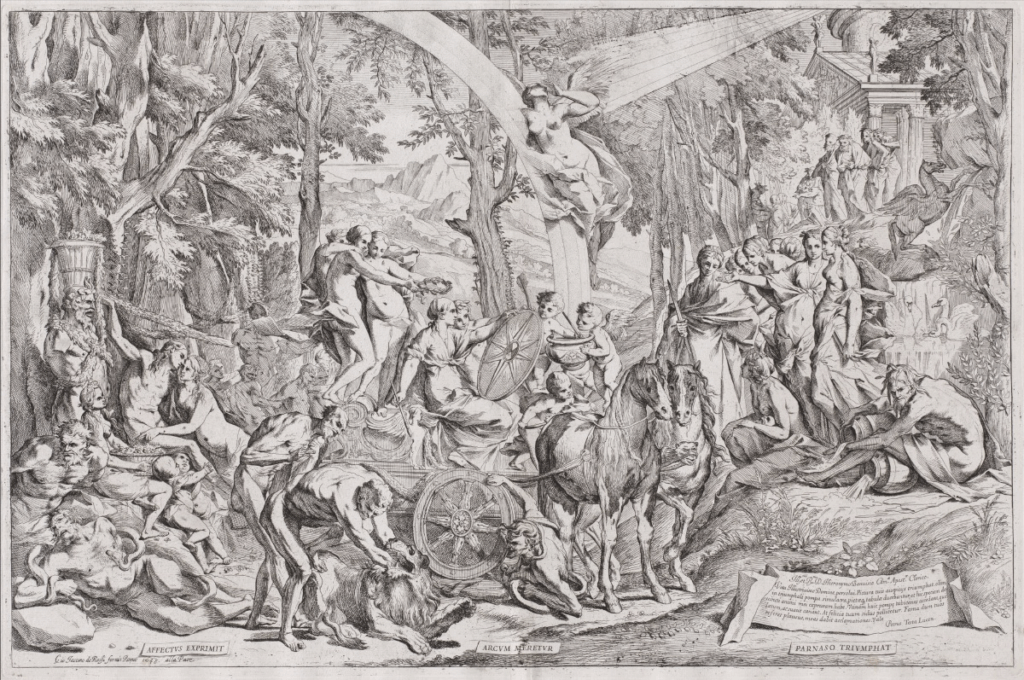
Pietro Testa, The Triumph of Painting on Parnassus, 1648, Etching, Vanderbilt Museum of Art.
“Paper Backstories: European Prints in Southern Museums” (October 16): Underloved but still worthy of contemplation, prints are a quiet presence in many museums, especially useful for study rooms. On October 16, curators from across the American South will give speedy presentations on their museums’ holdings in European prints, elucidating how these objects ended up in various collections. Vanderbilt University will host this online presentation in connection with the Vanderbilt University Museum of Art’s current exhibition, “Paper Backs: Hidden Stories of European Prints from the VUMA Collection.” —BR
Dispatch:
“Israel’s Gauguin,” by Bennett Tucker. On “Reuven Rubin: Be My Guest” at the Tel Aviv Museum of Art.
By the Editors:
“Mock stars: The famous forgers who fooled everyone — even the experts”
James Panero, New York Post
From the Archives:
“The greatest salesman of them all,” by Mimi Kramer (June 1984). On Arthur Miller’s Death of a Salesman & David Mamet’s Glengarry Glen Ross.